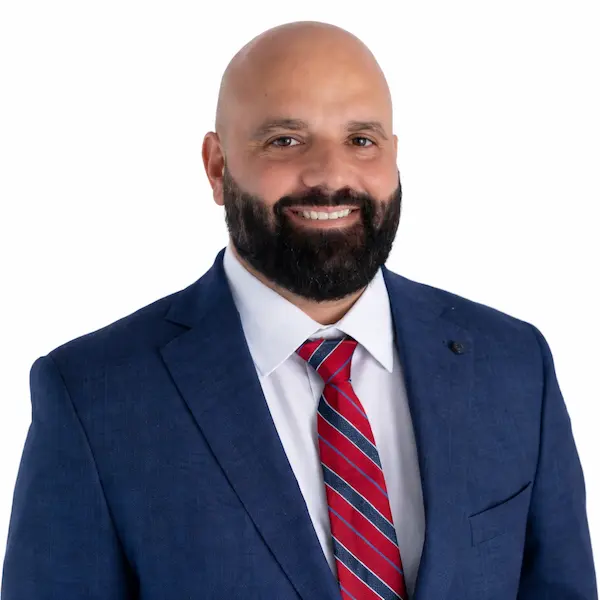
David Meldofsky writes and publishes about lawsuits, litigation, consumer rights, and the business of plaintiff-side law in the age of AI from California. He founded and edits three independent properties, each serving a different audience.
Full profile, credentials, and published work →
Selected writing & commentary
Published in Law360
A guest commentary examining whether AI-generated output should be treated as a product subject to liability or as content, and what that distinction means for the emerging wave of AI litigation.
Read the full analysis
Published in Attorney at Law Magazine
A bylined feature on what a mass tort number represents: how bellwether verdicts move on appeal, how aggregate settlement funds are divided into tiers, and what fees, costs, and liens take out of a gross award.
Published in Attorney at Law Magazine
A bylined feature on how consumers can evaluate online legal information, including AI-generated guidance, and distinguish education from intake before contacting a lawyer.
Published in Law360
A guest commentary on EPA's PFAS reporting posture, the distinction between regulatory shifts and safety determinations, and the implications for regulated entities and affected communities.
Published in the Daily Journal
A guest commentary on EPA's PFAS reconsideration, federal and California drinking water standards, and the broader litigation landscape facing regulated entities and affected communities.
Quoted in InsideEPA
Cited as a legal commentator on the implications of EPA's narrowed Safe Drinking Water Act focus for ongoing PFAS litigation.
Quoted in AGI Ethics News
Cited as a legal commentator on how governments can regulate foreign AGI not by inspecting the models but through their points of contact: app stores, payment rails, API access, and the domestic companies that deploy them.
Cited in The Daily Caller
Lawsuit Informer's reporting on Raine v. OpenAI cited as a source in a roundup of major AI litigation. Also syndicated via Patriot TV.
Published on Verus LLC
A guest analysis of Winters v. OpenAI, reading the counsel on the caption and the structural relief requested as signs the case is built for a published ruling rather than a settlement, and what that means for firms evaluating AI injury claims.
Published on Verus LLC
A guest analysis of the first Covidien hernia mesh verdict, on why a compensatory-only finding for failure to warn sets a lower bar for the cases that follow, and what firms holding inventory should do about it.
For media inquiries, see contact below.